
Sahar Mansour
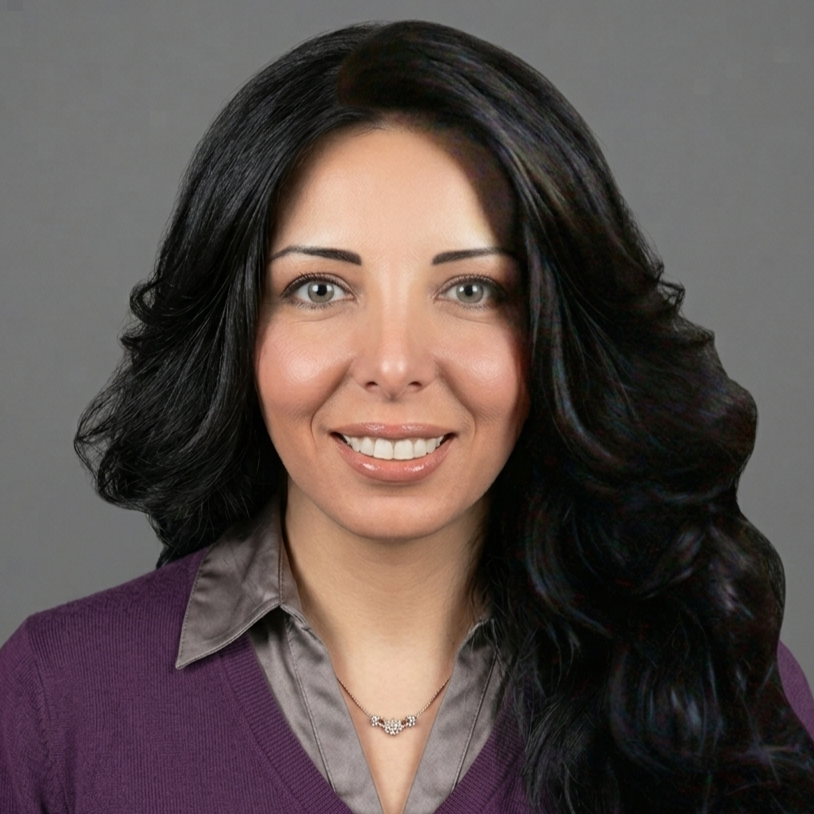
Graduation Year: 1998
Specialty:
Breast, Gynecological and Obstetric Imaging
City & Country of Practice: Cairo-Egypt
Total Years of Professional Experience: 26 years
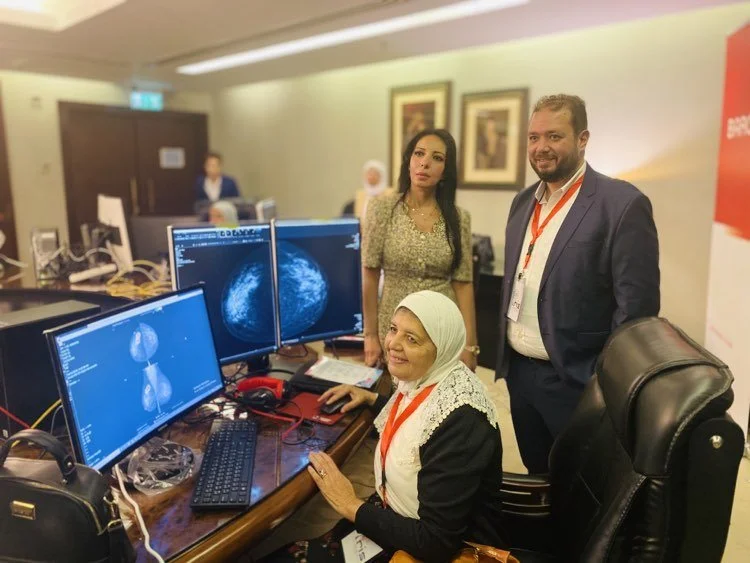
Moderated the first workshop on AI in breast cancer screening on mammography in Egypt during the BGICC 14th BGICC-Breast Gynecological & Immunooncology International Cancer Conference (Jan. 2022).
Brief Biography
Dr. Sahar Mansour is Professor of Diagnostic and Interventional Radiology, at Kasr AlAiny Faculty of Medicine, Cairo University. She graduated with honors in 1998 and completed her postgraduate training in Diagnostic Radiology at Cairo University, earning her master’s degree in 2003 and her Doctorate in 2009. She currently serves as the coordinator of the Professional Diploma of Breast Imaging and Interventional Techniques at Cairo University, overseeing curriculum development, training standards, and postgraduate education in advanced breast imaging.
Professor Mansour’s academic career has been marked by innovation, leadership, and scientific excellence. Her work has focused primarily on women’s imaging with major contributions to advanced functional MRI techniques and the responsible integration of artificial intelligence into diagnostic radiology.
Beyond academia, Professor Mansour has played a leading role in national healthcare initiatives related to women’s health, early cancer detection, and capacity building within university hospitals and the public healthcare system.
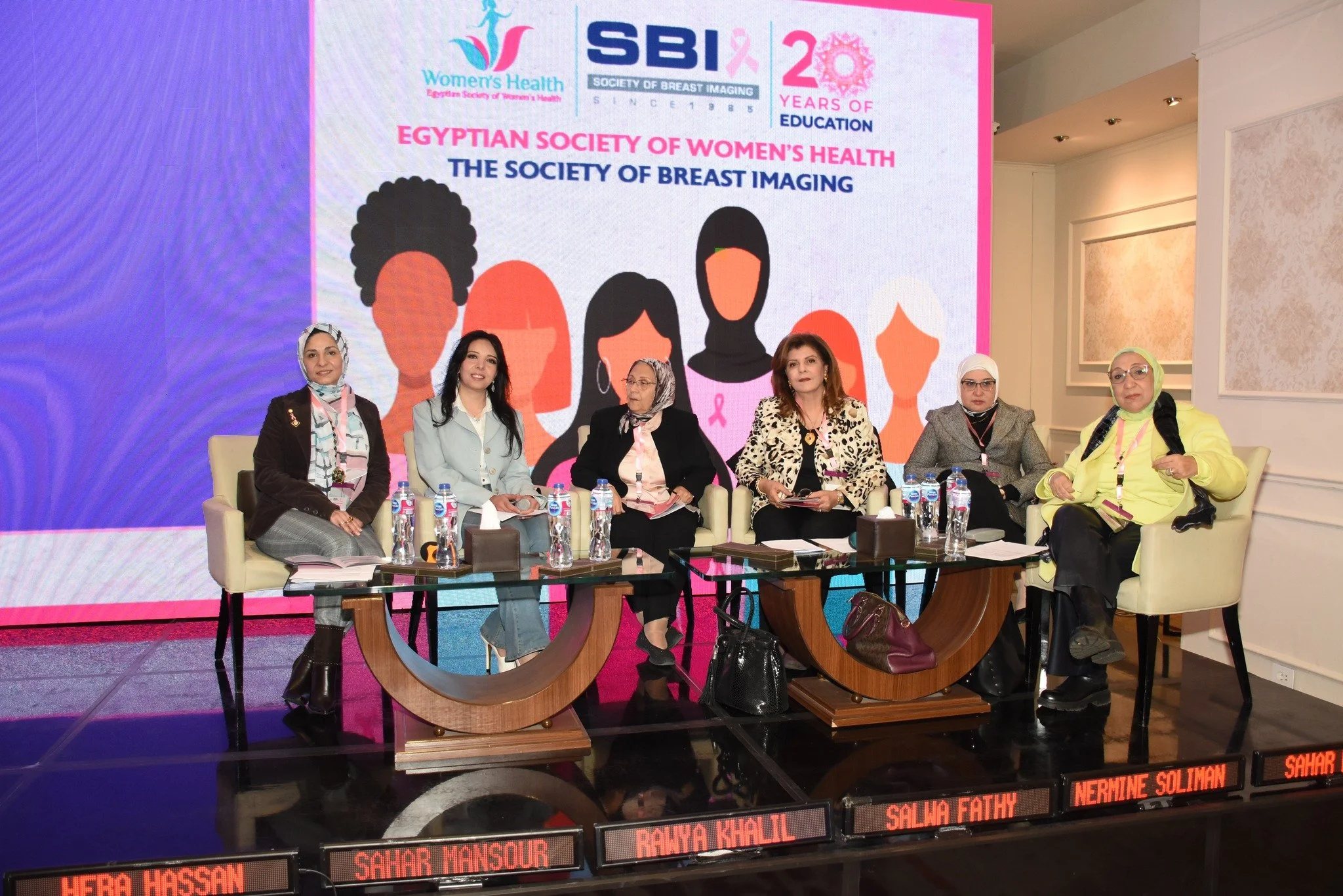
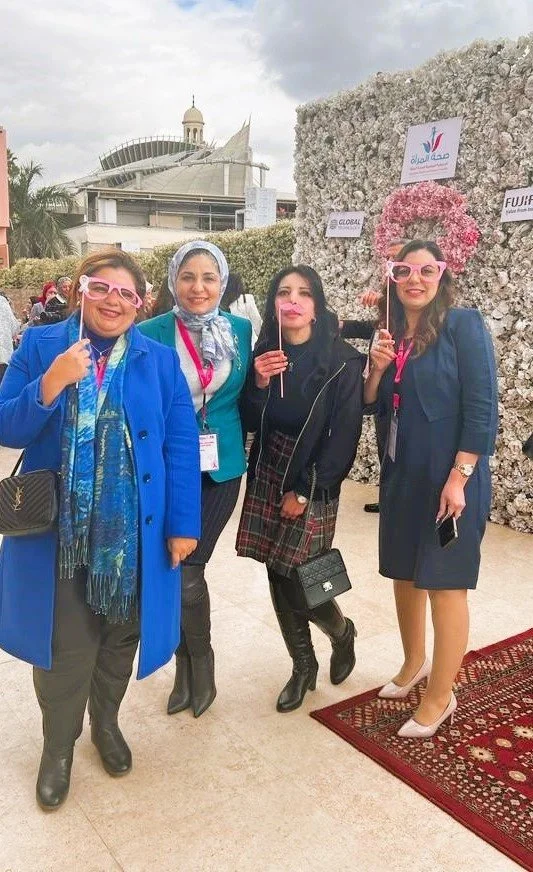
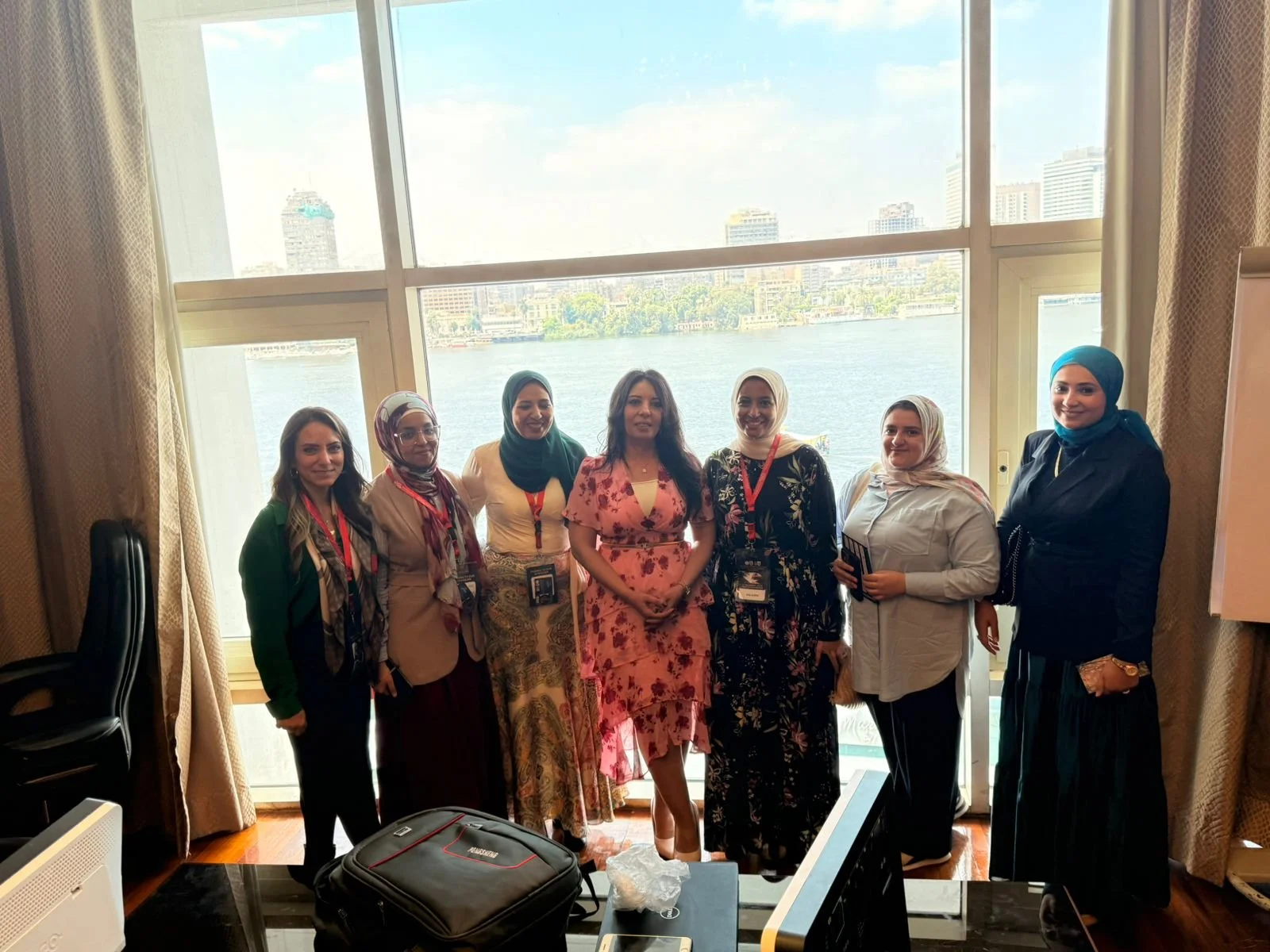
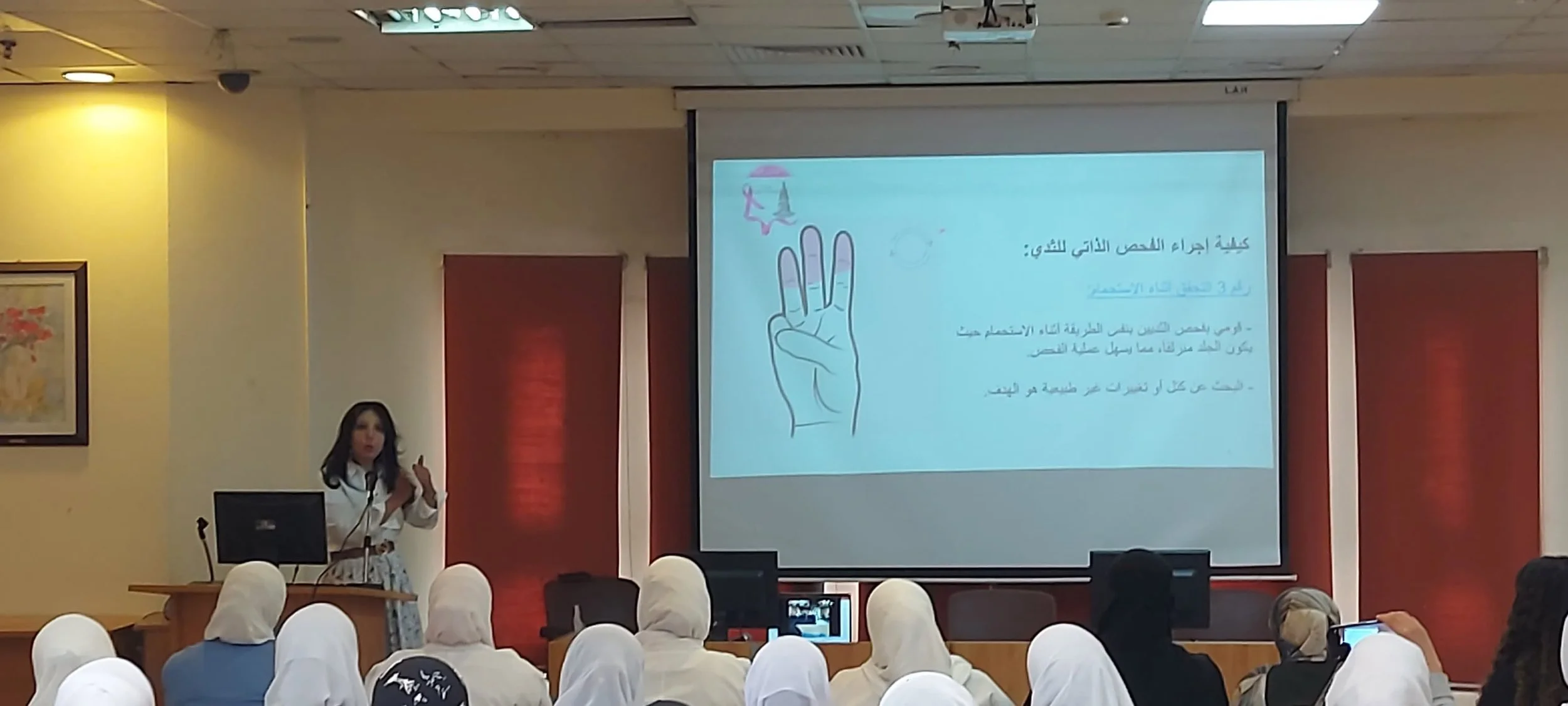
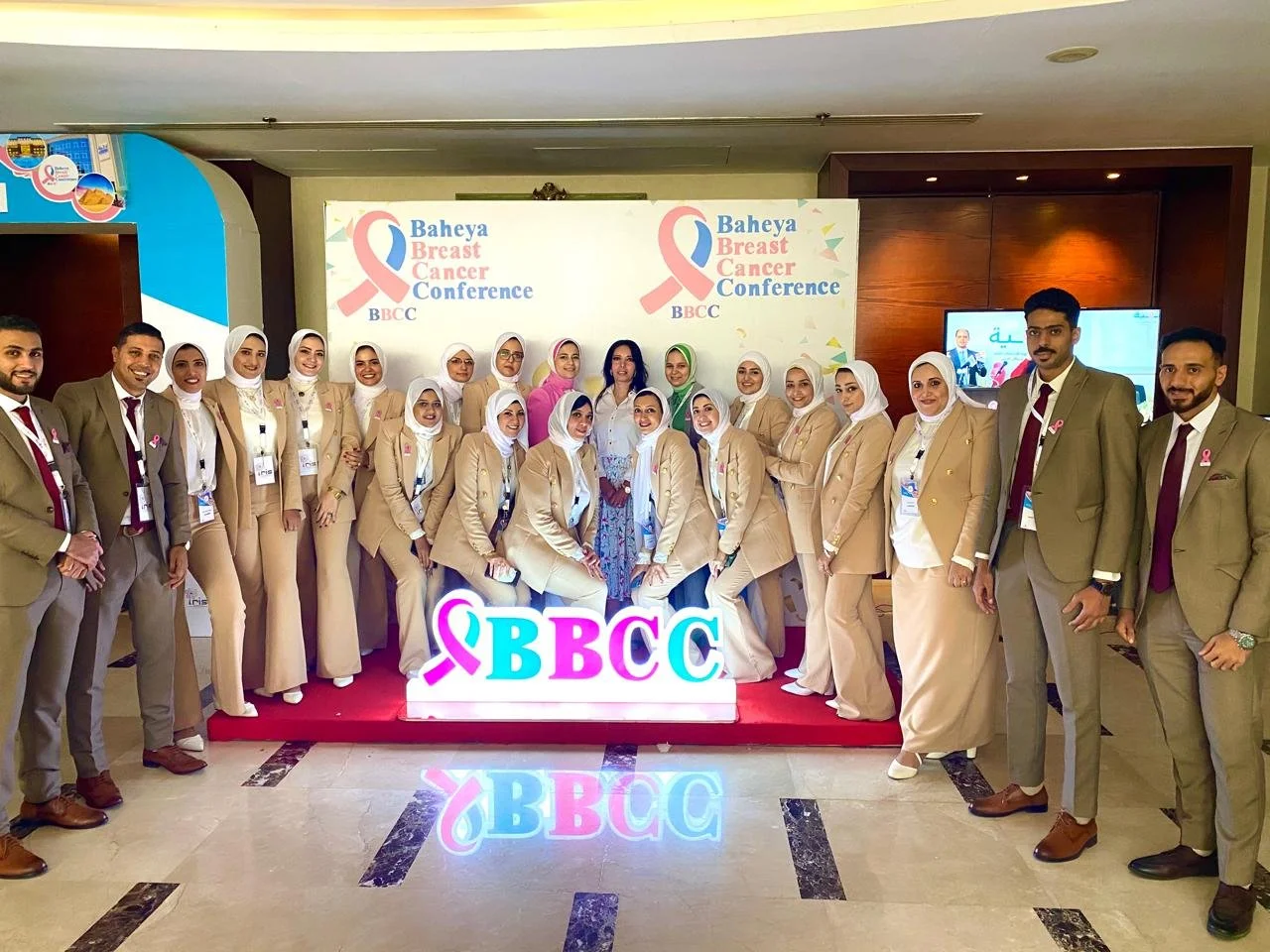
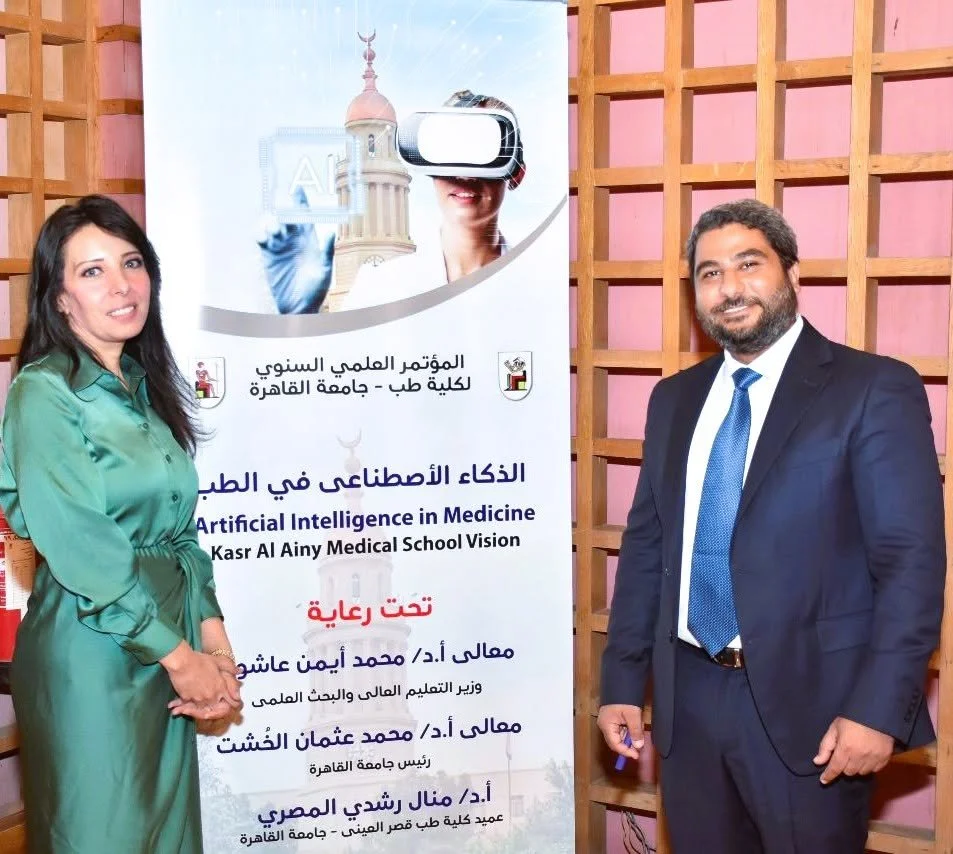
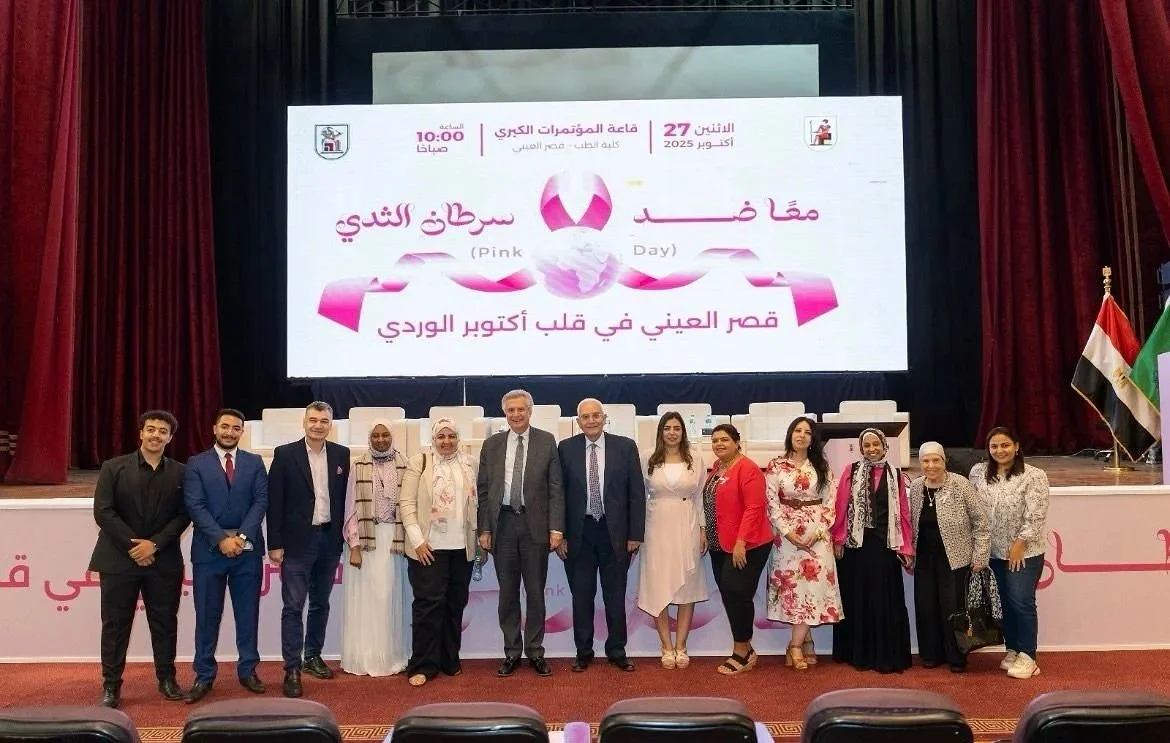
Breast Cancer Awareness Seminar at Kasr AlAiny Hospital, Faculty of Medicine, Cairo University, during Pink October 2025, bringing together multidisciplinary experts to promote early detection. The session highlighted the importance of awareness, screening strategies, and community engagement in improving breast cancer outcomes in Egypt.
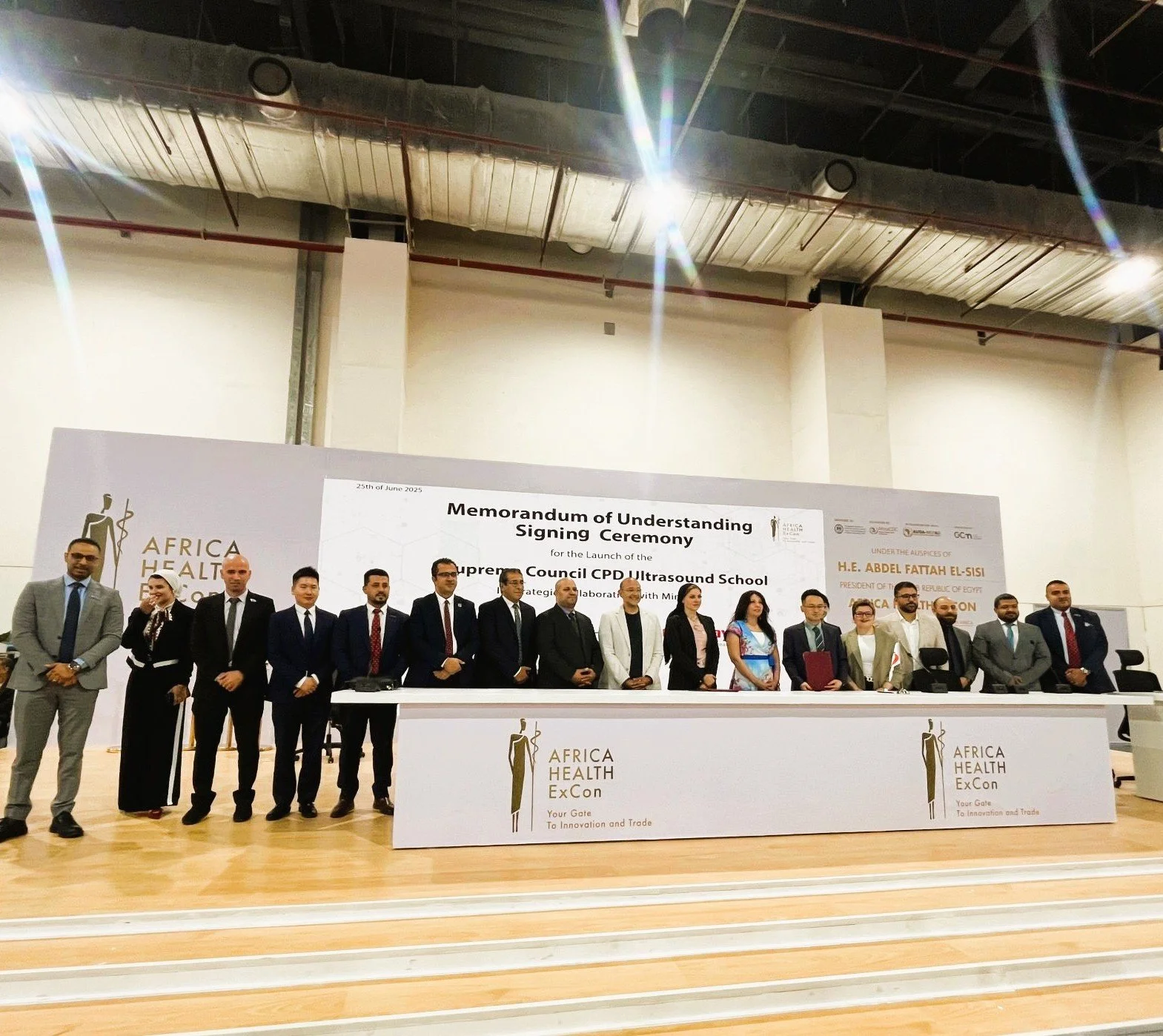
Signing ceremony between the Supreme Council of University Hospitals and Mindray to launch the SCUH Ultrasound School during Africa Health ExCon June 2025
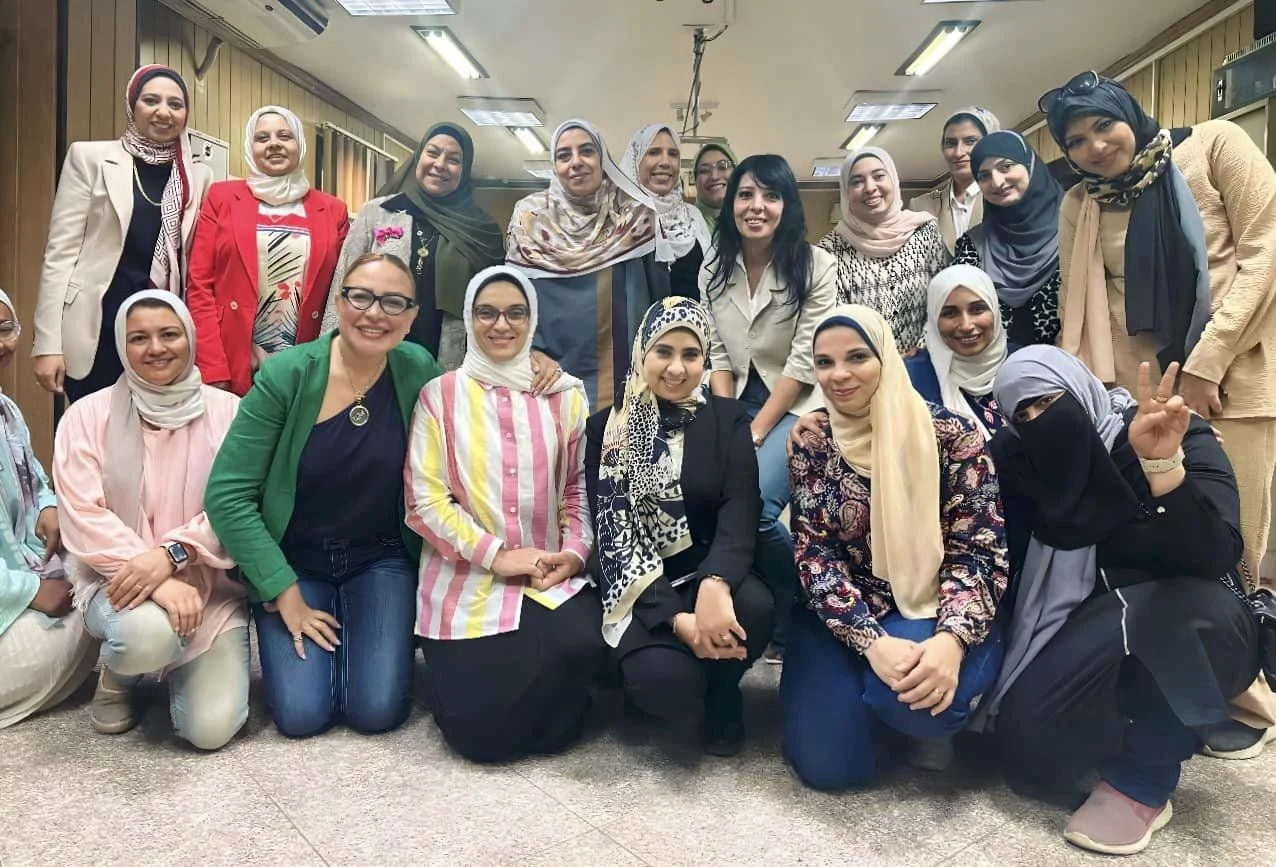
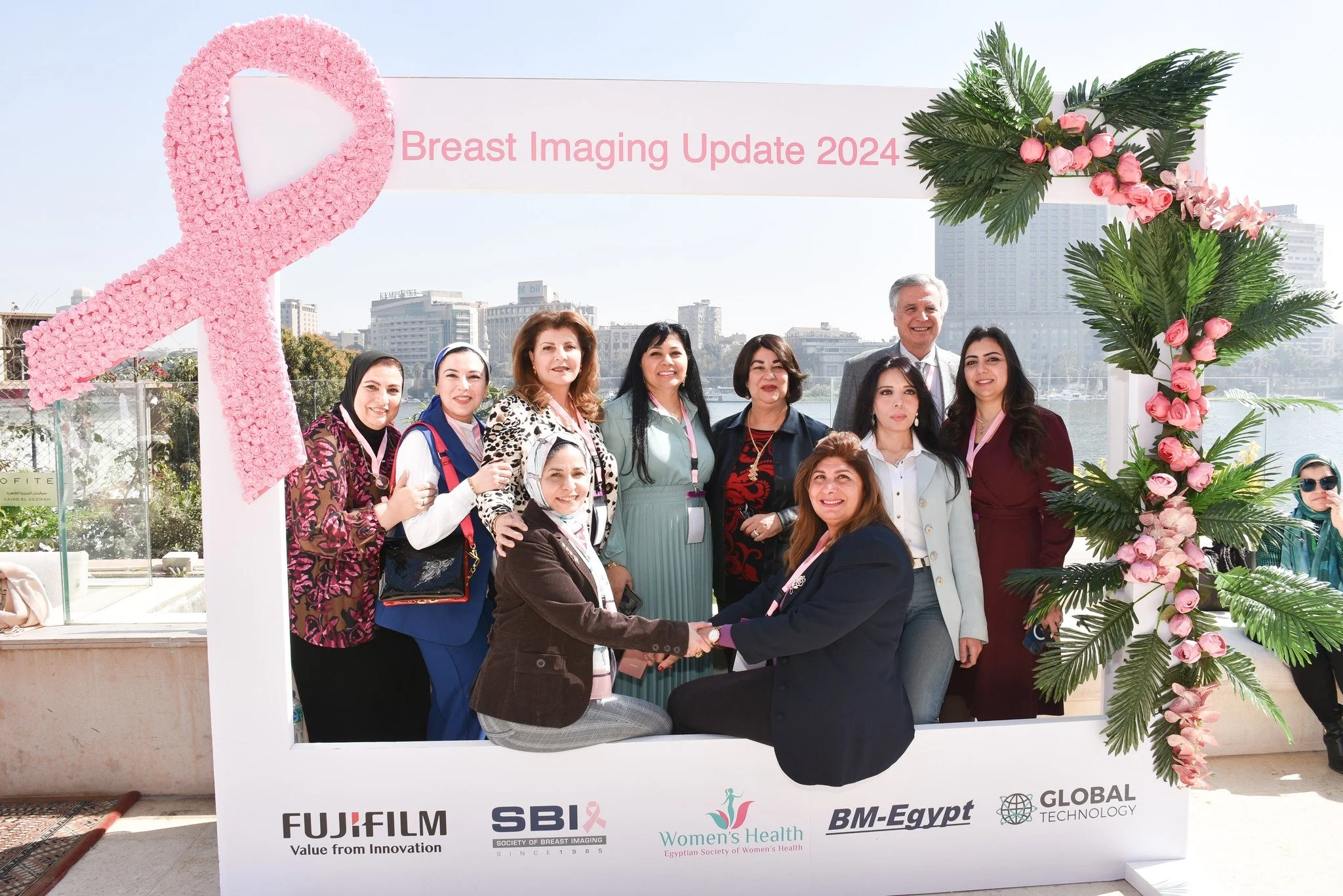
Second cohort of the Specialized Diploma in Breast Diagnostic Imaging and Interventional Techniques, Kasr Al-Ainy, Faculty of Medicine, Cairo University (CUDBIT, class 2022-2023)
Key Professional Achievements
Scientific Excellence Promotion Pioneer First faculty member in Diagnostic Radiology at Cairo University to be promoted without examination through the scientific excellence pathway, and the second nationwide across governmental universities.
Regional First in AI Assisted Mammogram Breast Cancer Screening (2023) Principal investigator and first author of the first published research on AI assisted mammogram interpretation within a national breast cancer screening program, representing a pioneering achievement for Egypt, the Middle East, and Africa, and establishing a model for responsible AI integration in public health screening.
First Cairo Regional Coordinator of the National Breast Cancer Screening Program, overseeing implementation of early detection of breast cancer in Cairo, Ain Shams, Helwan, and Banha University Hospitals across Cairo, Giza, and Qalyubia governorates.
Institutional Leadership in University Hospitals Appointed the first Advisor for Breast Health to the Secretary General of University Hospitals, a role newly established to support national women’s health strategies. In this capacity, she contributed to strategic institutional development, including the launch of the Supreme Council School of Ultrasound, formalized through a cooperation agreement signed during the African Health ExCon Conference in June 2025.
International & National Recognition: Nominated for the Egyptian State Award for Women (Medical and Pharmaceutical Sciences) in 2025, and recipient of multiple Cairo University awards for international scientific publications.
Academic and Scientific Contributions to more than 70 peer reviewed international publications, with numerous educational exhibits presented at major international radiology congresses, ECR and RSNA.
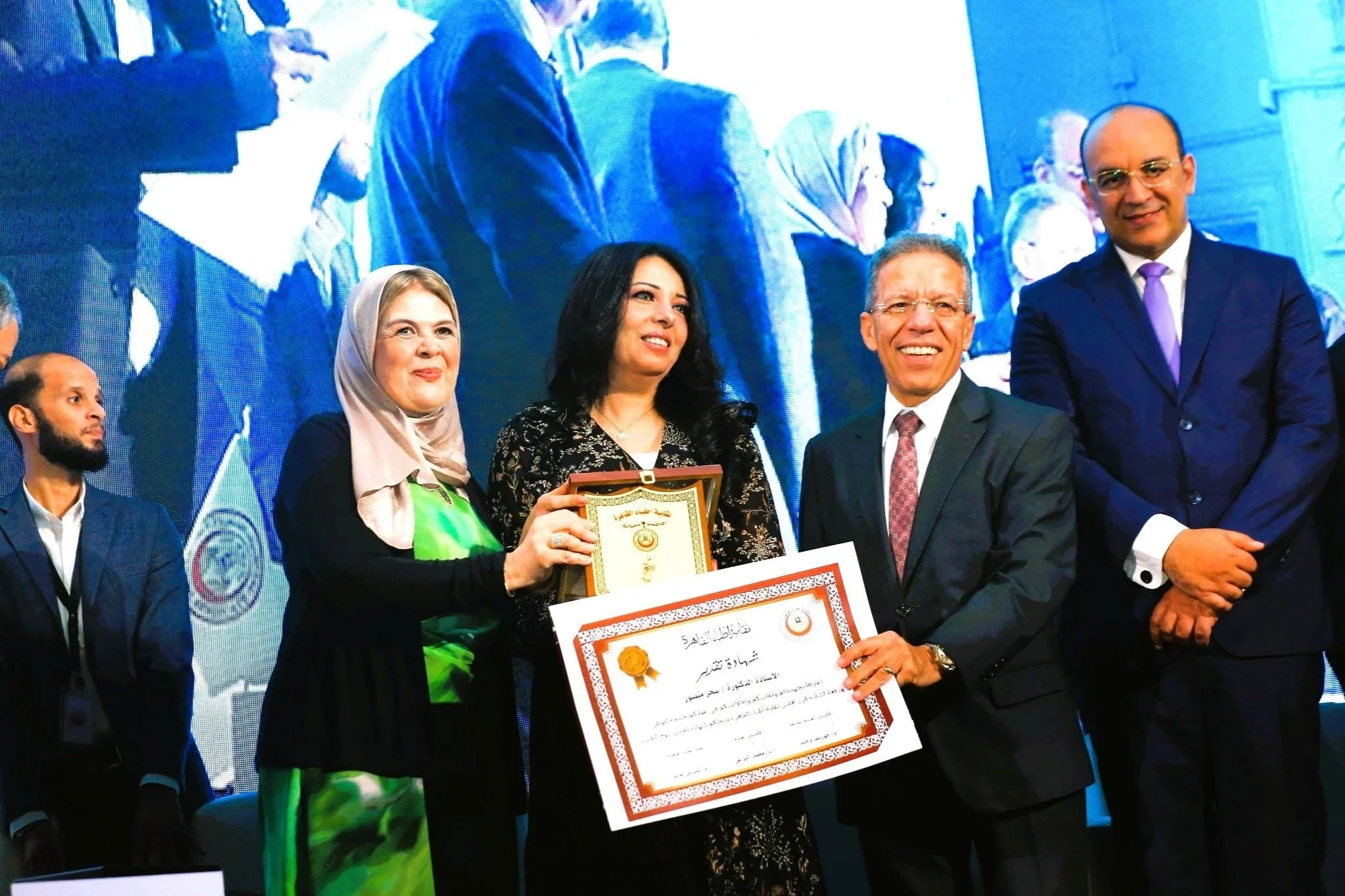
Cairo Medical Syndicate honors Dr. Mansour in Sep. 2025 for her impact on medical education and clinical practice August 2025.
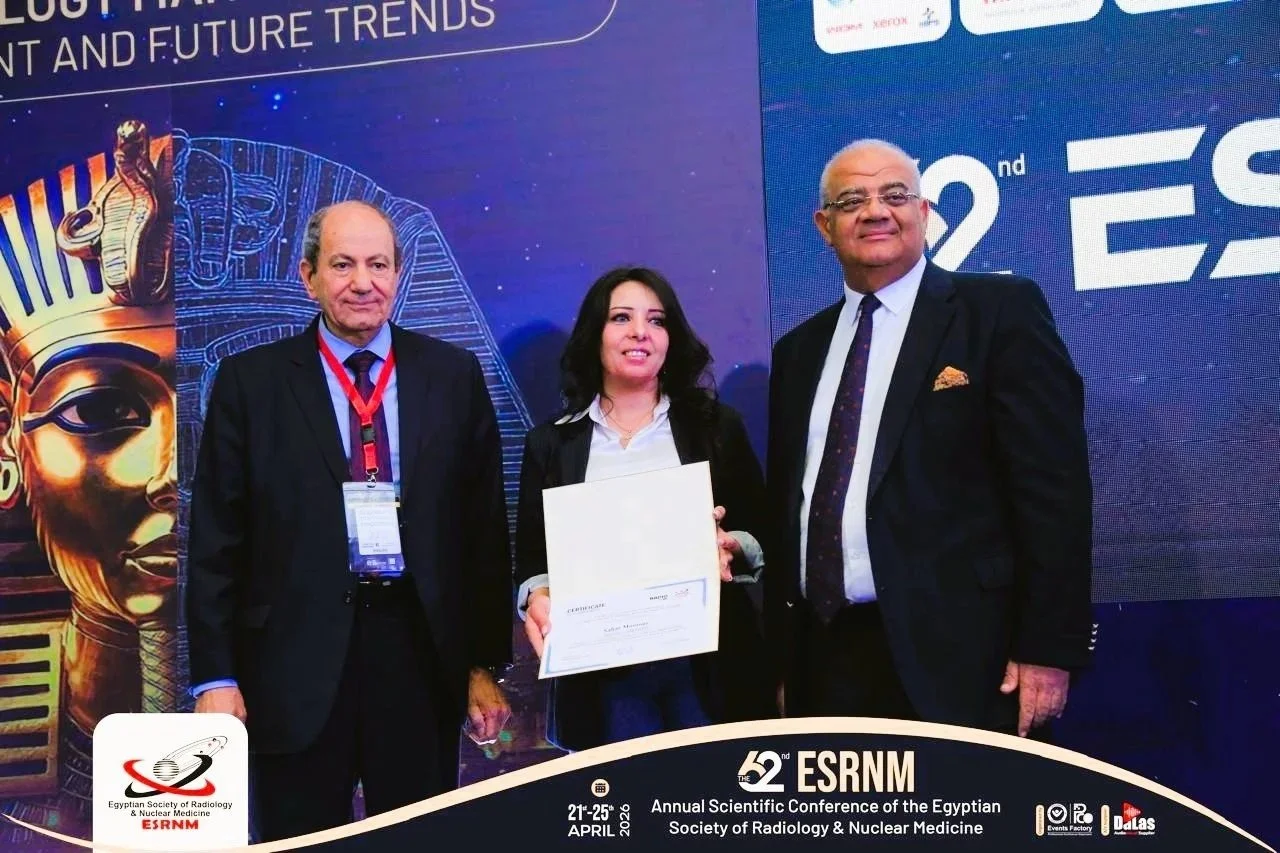
Best Reviewer Award at the 62nd Annual Scientific Conference of the Egyptian Society of Radiology & Nuclear Medicine (ESRNM) May 2026.
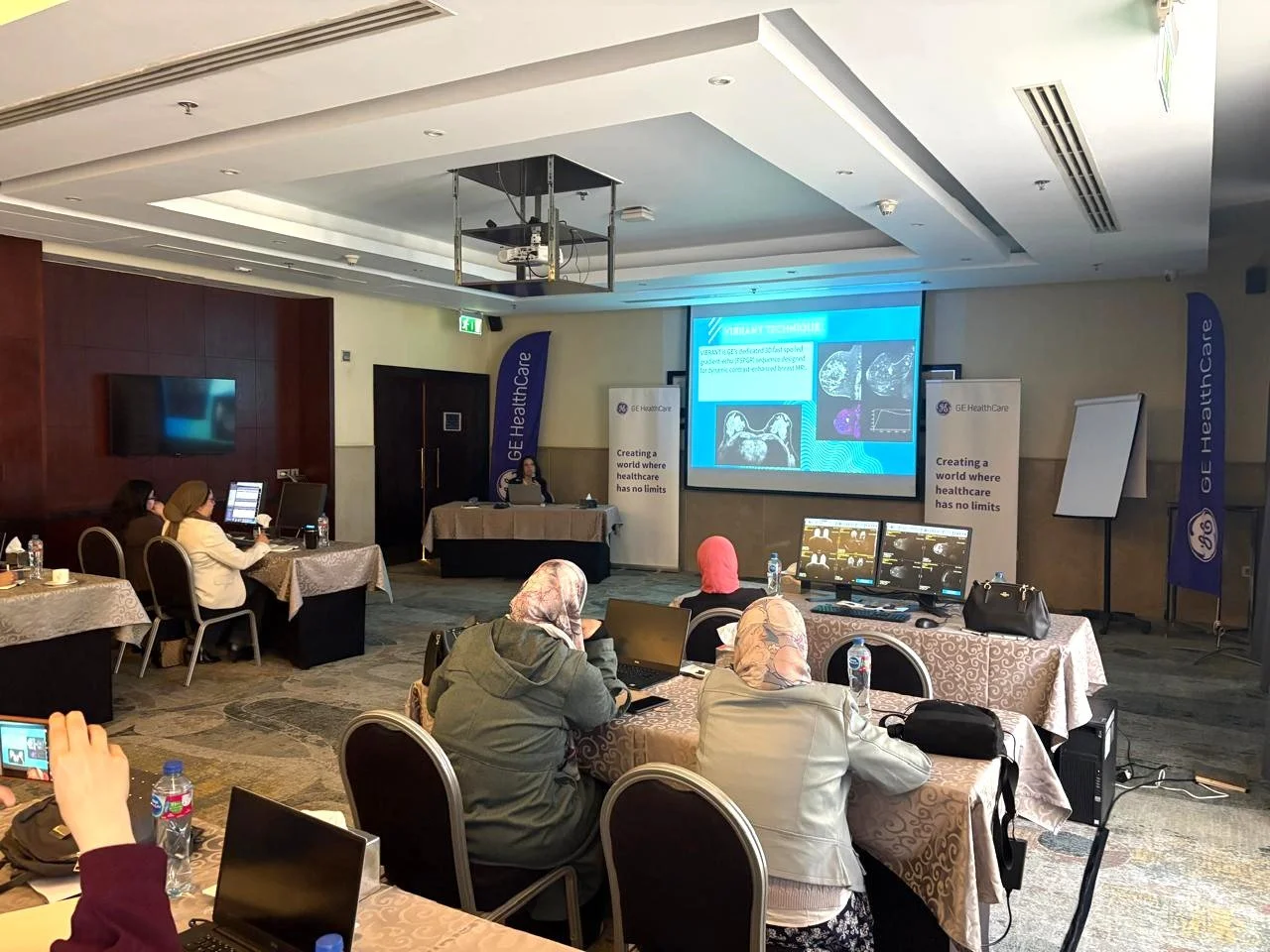
Led a two-day Breast MRI workshop blending advanced theory with hands-on case interpretation. Highlight: dynamic breast MRI improved lesion detection and clinical decision-making
Advice for Current Medical Students
Medicine is not a destination; it is a continuously evolving journey. To those starting their path today, I offer reflections shaped by years of learning, leadership, and service:
Commit to Continuous Evolution: Never allow your ambition to stop at any academic title or professional milestone. Promotion, degrees, and positions are not endpoints—they are starting lines. Challenge yourself continuously to become the best version of who you can be, not in comparison to others, but in comparison to your own potential.
Expand Beyond Comfort Zones: True excellence in medicine comes from pushing boundaries. Seek responsibilities that stretch your skills, question what seems established, and remain open to change. Growth occurs when you are willing to learn, re‑learn, and sometimes unlearn.
Integrate Medicine with Life: Medicine does not exist in isolation. Interact with disciplines beyond healthcare, technology, communication, sociology, ethics, and innovation. The most impactful physicians are those who understand people, systems, and societies, not only diseases.
Build Capability with Responsibility: Advancing your capabilities carries the responsibility to use them meaningfully. Let every new skill serve a purpose: better patient care, better systems, and better outcomes for society.
If you continue to challenge yourself, broaden your perspective, and integrate medicine into every dimension of life, your career will never stagnate, and neither will your impact.
