Kasr Al Ainy celebrates its 200th anniversary.
Since 1827, Kasr Al-Ainy Faculty of Medicine has been synonymous with medical excellence and elite clinical training. Approaching two centuries of uninterrupted service, our institution remains a global beacon of hope and education. Our alumni carry this monumental legacy into every hospital, laboratory, and lecture hall they enter across the globe, continuing a proud tradition of healing that spans generations.
The Foundation
The Vision of Muhammad Ali Pasha
Following his ascent to power in 1805, Muhammad Ali Pasha sought to build a sovereign Egyptian state. Confronted by British invasions and internal revolts, he realized that a modern, disciplined army was the only path to survival. However, the transition from irregular mercenaries to a regular army of Egyptian peasants (1820) revealed a fatal flaw: the new force was defenseless against the epidemics and diseases that devastated its ranks, proving that military power was impossible without a supporting medical infrastructure.
1805–1820
Antoine Barthélemy Clot was a French physician and surgeon born in 1793. In the early 19th century, Muhammad Ali Pasha, the Viceroy of Egypt, recognized the urgent need for a healthy army and a modernized medical system. He sent emissaries to Europe to recruit medical professionals, resulting in Dr. Clot's arrival in Cairo in 1825 as the Surgeon-in-Chief of the Armies.
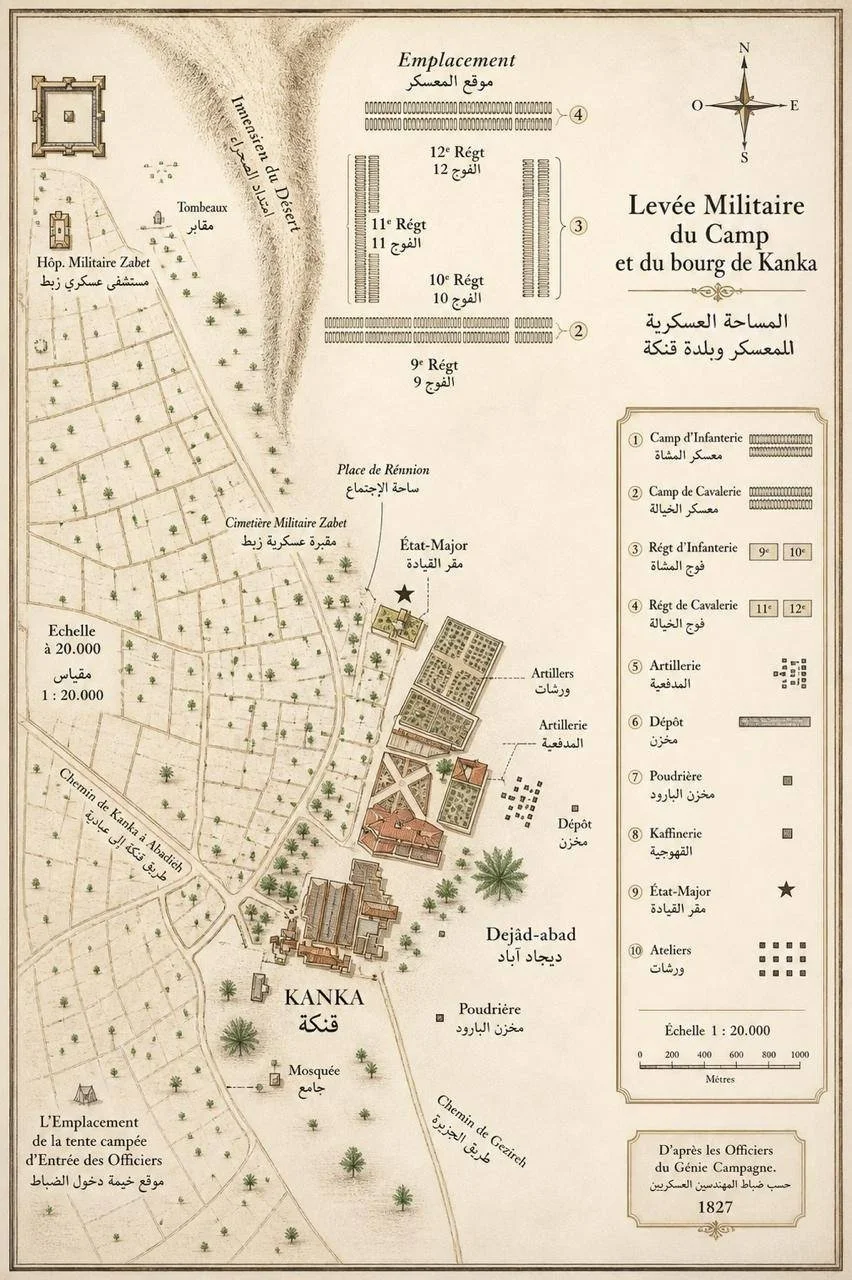
At the time, Egypt lacked a formalized medical care system. Dr. Clot began by implementing French military health regulations and, in 1827, established a military hospital and medical school at Abu Zaabal, near Cairo.
Ali Ibrahim Pasha (1880–1947) stands as one of the most transformative figures in the history of Middle Eastern healthcare. A brilliant general surgeon, visionary educator, and dedicated government minister, he played a crucial role in modernizing Egypt's medical infrastructure and reclaiming its institutions from European colonial dominance.
Ali Ibrahim Pasha
Crisis and the French Mission
The Search for Scientific Leadership
Between 1821 and 1824, recurrent waves of the plague exposed the inadequacy of Egypt’s traditional medical practices, which were then dominated by folk healers and barbers. In response, Muhammad Ali dispatched an envoy to France to recruit elite medical expertise. With the guidance of the renowned scientist Georges Cuvier, a young surgeon named Antoine Barthélemy Clot (Clot Bey) was selected. On December 22, 1824, Clot signed a historic contract to lead Egypt’s medical transformation, demanding unified authority over both medicine and surgery.
1821–1826
Laying the Institutional Foundations
Upon his arrival in 1825, Clot Bey faced a "grim reality" characterized by a total lack of scientific literature and the dominance of non-scientific practitioners. He moved quickly to establish the Health Council (Diwan Shura al-Seha) and proposed the creation of a formal medical school. Despite political pushback from those who doubted the capacity of local Egyptians to master European sciences, Clot Bey secured the Pasha’s backing. He focused on empowering Egyptian students—many from rural and Azharite backgrounds—to create a new class of medical professionals capable of rivaling the Ottoman elite.
A 19th-century painting showing a crowded medical lecture hall in Egypt. At the center, a European physician (Clot Bey) performs an anatomy demonstration on a body for a large group of Egyptian students in traditional robes and turbans. A skeleton stands nearby, and the names of historic physicians are written in Arabic calligraphy on the high walls under a circular skylight.
Abu Zaabal Medical School
1827: The Birth of Modern Egyptian Medicine
Under the order of Muhammad Ali Pasha, the French physician Antoine Barthélemy Clot (Clot Bey) establishes a military hospital and medical school in Abu Zaabal. It serves as the nucleus for Egypt’s medical renaissance.
1827 – 1837
1832: The First Graduating Class of the School of Medicine
Clot Bey selected the first graduating class (twelve students) and sent them on a medical mission to France to continue their education there. They deepened their studies in France, and each student chose a key medical reference book, which they then translated into Arabic. This was a mandatory requirement for their employment in government service upon returning from their scholarships. These works were then distributed to new generations of students as alternatives to foreign-language textbooks.
Historical birth certificate of the medical school at Abu Zaabal
Antoine Barthélemy Clot (Clot Bey)
Master Plan Of Kannka Military Complex - 1827
Kasr AlAiny Hospital (1837-1840)
1837: From Military Hospital to Comprehensive Medical Center
It was not long before Kasr Al‑Ainy evolved into a multifunctional medical center, after its role had initially been limited to that of a military hospital in its early years.
In addition to being a school of medicine and a military hospital, Kasr Al‑Ainy became a central medical authority supervising several other medical institutions established during that period. Among the most important of these were a chemical laboratory responsible for the preparation of medicines and pharmaceuticals, located within Kasr Al‑Ainy itself; a civilian hospital known as the “Royal Hospital” (Al‑Esbetaliya Al‑Malakiya) in Azbakeya; and a School of Midwifery, also based in Azbakeya.
1840: From Military Care to Public Health Reform
The successful efforts of Clot Bey in transforming Kasr AlAiny from a military hospital into a center serving the civilian population had a profound impact on improving public health conditions across Egypt, after it had previously been limited to caring for soldiers and officers.
One of the most significant examples of this transformation was the establishment of a medical authority known as the “Council of Physicians” (Shura Al‑Atibba / Medical Council), headquartered at Kasr AlAiny, which supervised vital medical services throughout the country.
Medical centers known as “Health Offices” were established in every provincial town and urban district (districts in Cairo were known as “Atman”), providing free medical care to the public. In addition, regional hospitals were opened in major cities across Egypt.
The Council of Physicians at Kasr AlAiny also supervised an ambitious nationwide vaccination program to immunize all children against smallpox, a disease that severely threatened their health and lives. As a result, Egypt became one of the first countries in the world to successfully implement a national smallpox vaccination campaign.
The transformation of Kasr AlAiny from a military hospital into a civilian medical center, alongside the establishment of a medical authority known as the ‘Council of Physicians’ (Shura Al‑Atibba)
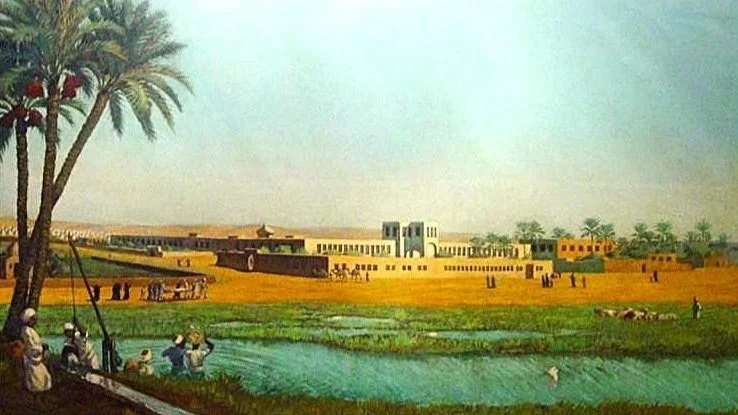
At the Nile banks, Kasr AlAiny Hospital, the former palace of Ahmad Al‑Ainy Bey, located in southern Cairo.
The Arrival of a Reformer
1873: Birth of Frank Cole Madden
Born in Melbourne, Australia, Madden begins his journey toward becoming a world-class surgeon within the British medical system.
1873 – 1898
1898: A New Chapter in Egypt
Dr. Madden is seconded to Egypt as part of a British medical mission. He joins the staff at Kasr El-Ainy, beginning a 31-year career that would transform the institution.
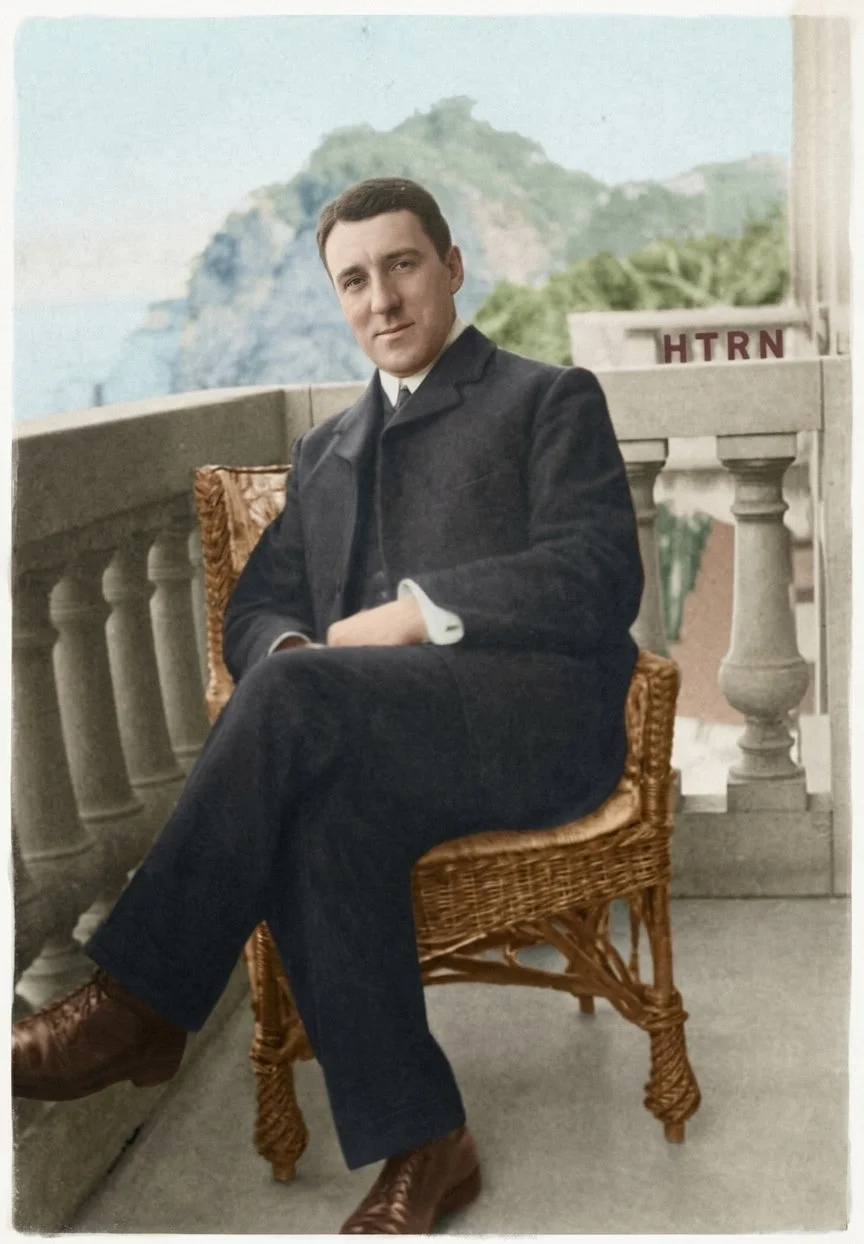
Frank Cole Madden
The Golden Age of Reform
1900s – 1920s: Institutional Leadership
Madden rises through the ranks to become Professor of Surgery, Chief Surgeon, and eventually Dean of the Faculty of Medicine.
1900– 1928
The "Sportsman Dean" (Personal Life)
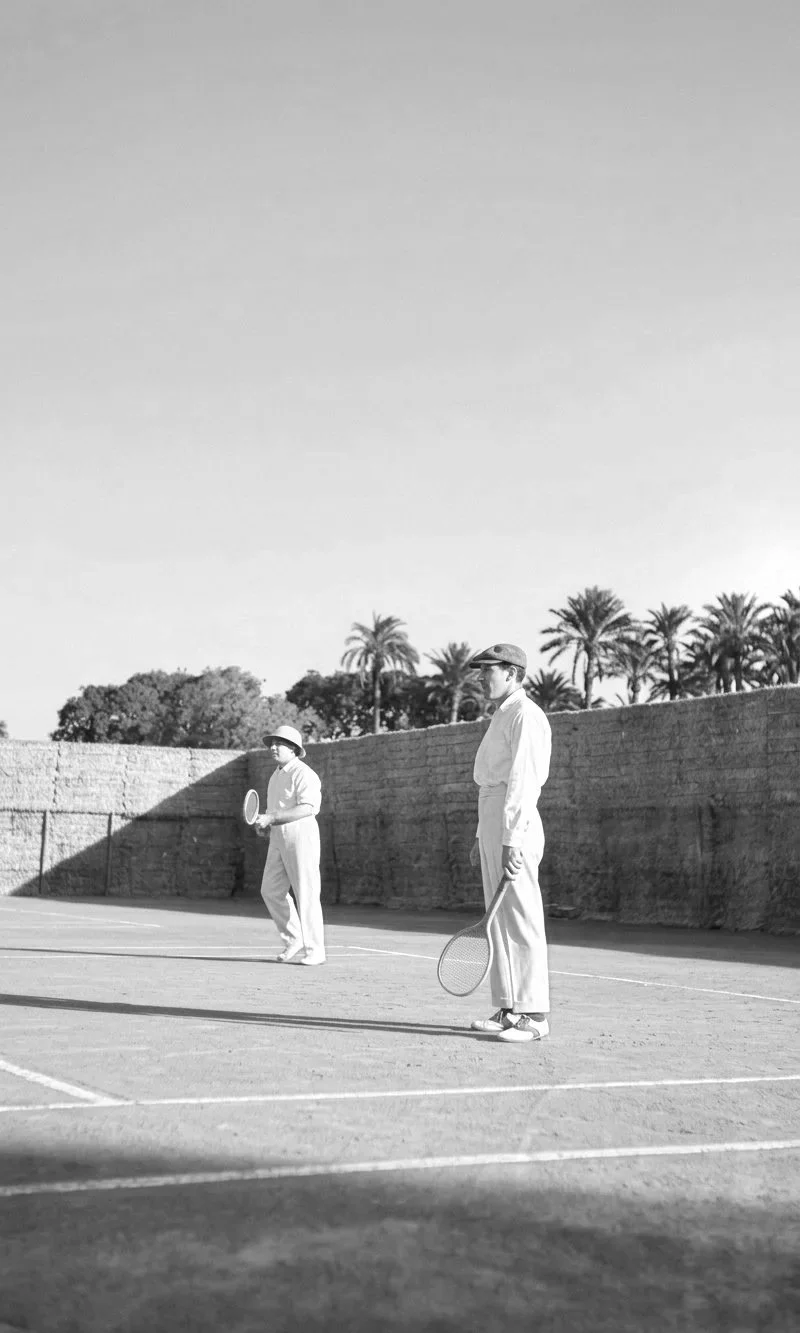
Beyond the hospital, Madden becomes a prominent figure in Cairo’s social scene. An avid tennis player, he wins several trophies at the Gezira Sporting Club.

The Tragic Finale
Early 1929: Career Peak & Honors
Madden is appointed Acting Vice-Director (Deputy President) of the Egyptian University. He is awarded senior British honors, adding to his Order of the Nile and Ottoman decorations.
1929
A Scientific Hteritage
Madden’s research on bilharzia (schistosomiasis) and his textbooks on surgery and nursing remain foundational works for years to come
April 26, 1929: A Day of Mourning
On the morning of a major scientific conference, Dr. Madden takes his own life at Kasr El-Ainy. The medical community is left in shock.
The Funeral of a Legend
Hundreds of medical students, senior physicians, and government officials attend a massive funeral, reflecting Madden’s immense impact on generations of Egyptian doctors.
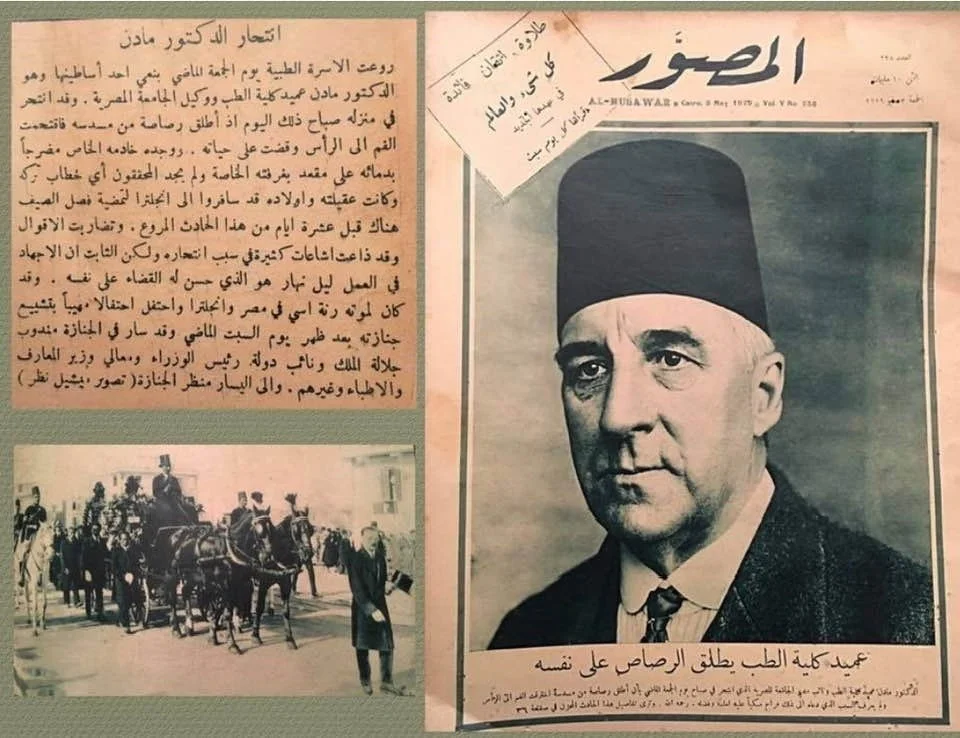
Collage featuring a news report from the Egyptian magazine "Al-Musawar" (المصور), dated May 11, 1928. The report covers the tragic suicide of Dr. Madden, who was the Dean of the Faculty of Medicine in Cairo at the time.
Spotlights from Kasr AlAiny’s History
1942
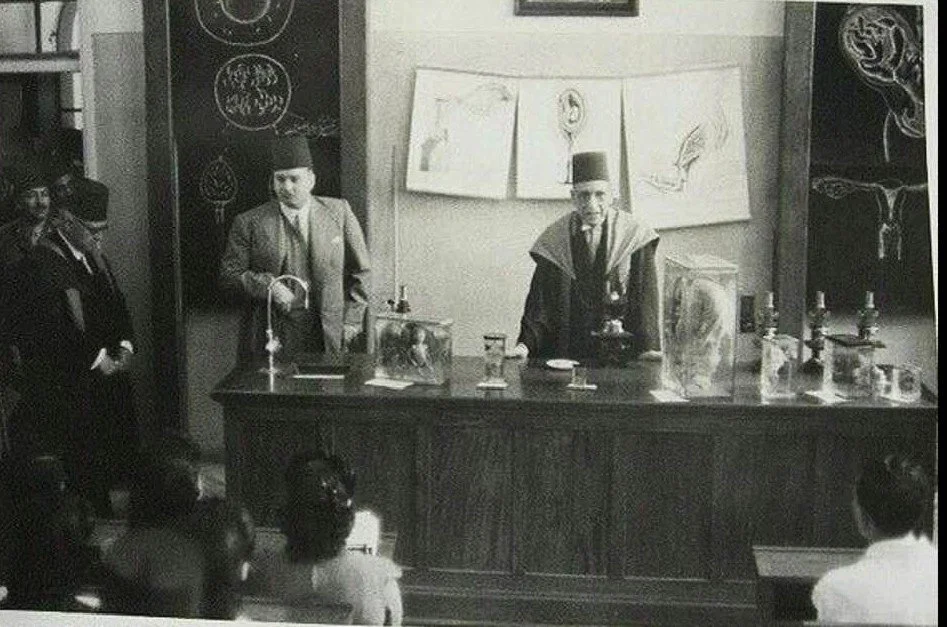
Dr. Naguib Pasha Mahfouz is delivering a lecture to the students, with King Farouk standing beside him. In front of them are some specimens removed during surgical procedures, which are now preserved in the Mahfouz Museum at Kasr Al‑Ainy, along with microscopes used by students to study microscopic tissues.
Dr. Mahfouz retired in that year.
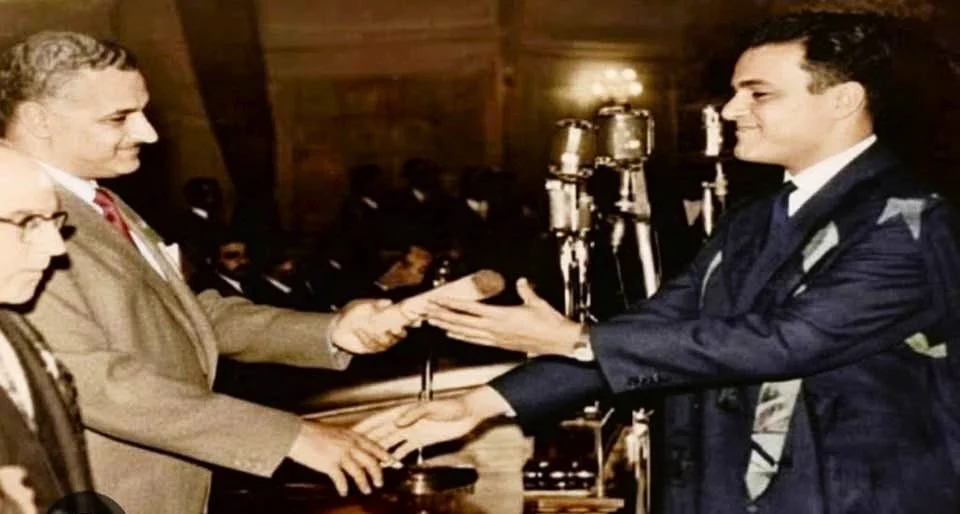
1957
Sir Magdi Yacoub, receiving the Excellence Award from President Gamal Abdel Nasser during the Science Day celebration. He ranked fifth nationwide, joined Kasr Al‑Ainy, and graduated in 1957. He was then appointed as a resident in general surgery in the department of Professor Ahmed Abou Zekry, obtained a Diploma in Surgery, and later traveled to England to begin his remarkable career in cardiac surgery.